Resumen: las afirmaciones de Reflectiz sobre cside
Reflectiz publicó una página de comparación afirmando que cside es ineficaz.
Ninguna de esas afirmaciones resiste el escrutinio técnico.
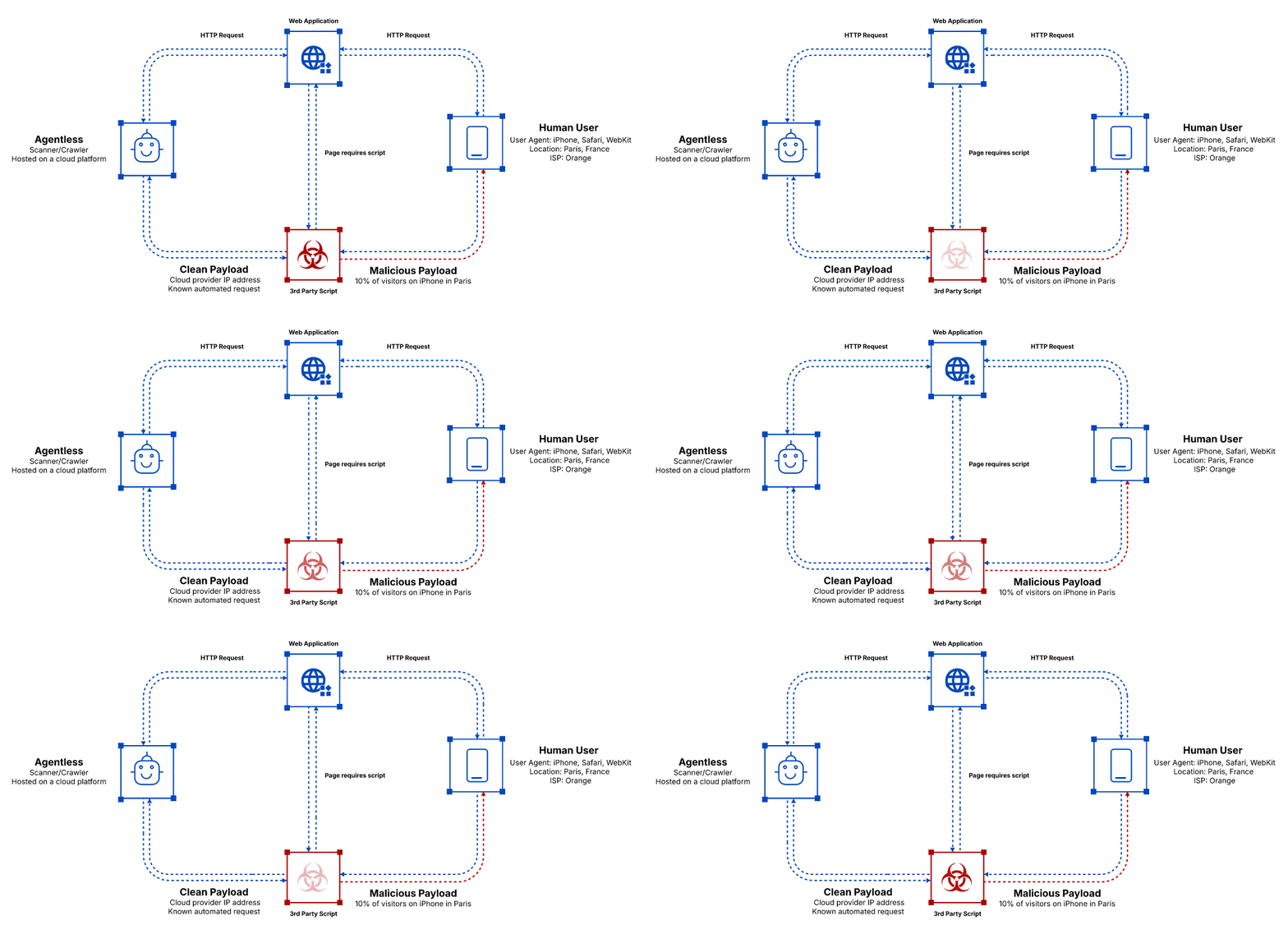
- Reflectiz es una solución de escáner/rastreador. Lo llaman 'agentless', un término confuso en la era de los navegadores agénticos. Escanean tu sitio periódicamente desde IPs de la nube. Este método es ineficaz contra la mayoría de las amenazas client-side. Los atacantes simplemente sirven scripts limpios a los escáneres de seguridad y atacan al resto. Los escáneres ven lo que los atacantes les permiten ver porque los atacantes detectan el escáner. cside ve lo que los atacantes realmente envían a tus usuarios, porque cside se ejecuta dentro de la aplicación.
- No nos creas a nosotros; esto es un hecho de diseño básico. Investigación publicada sobre la cobertura de los escáneres, de ISACA, investigadores de seguridad de Google y Oracle, y trabajo académico de la Universidad de Bournemouth, documenta que los rastreadores y los escáneres de caja negra pasan por alto sistemáticamente las rutas de código basadas en el DOM y las ejecutadas dinámicamente.
- cside no accede a datos de clientes. Ver qué campos intenta acceder un script no significa que el contenido introducido en esos campos quede expuesto a cside.
- Para implementar cside, pegas 1 script en tu código. Reflectiz, en cambio, necesita eludir la detección de bots, requiere credenciales de usuario y se romperá con frecuencia cuando cambien los flujos de pago o el inventario de productos.
- cside no afecta tus estadísticas de marketing porque cside nunca interactúa con la exfiltración de datos. Un escáner que actúa como un usuario sí afecta a la analítica, ya que intenta comportarse como tal.
- cside no es un proxy. cside tiene dos modos de funcionamiento: el Método Script, en el que un script de origen (first-party) monitoriza el comportamiento de los scripts en el navegador durante la sesión mientras los scripts se analizan del lado del servidor en la infraestructura de cside, y el Método Scan, un escáner para sitios donde no es posible realizar cambios en el código. cside no enruta ni actúa como proxy de tu tráfico.
- cside realiza un análisis dinámico y de comportamiento profundo que las herramientas de escaneo no pueden igualar.
¿Poco tiempo? Consulta el bloqueo de Magecart y skimmers en el navegador de cside. Cubre todo lo de abajo en un solo despliegue.
Este artículo analiza algunas de las afirmaciones y explica por qué son inexactas.
Introducción
La seguridad web se enfrenta a nuevos desafíos. Los ataques a la cadena de suministro están constantemente en las noticias, y una parte importante de esa cadena son las dependencias que se ejecutan en el navegador del usuario, donde no tienes visibilidad. Estos ataques han avanzado significativamente en los últimos años. A medida que el panorama de amenazas ha evolucionado, los enfoques fácilmente eludibles se vuelven irrelevantes.
Esto lleva a un resultado predecible: los atacantes no sirven ataques a los escáneres de seguridad.
Recientemente, Reflectiz publicó comparaciones afirmando que cside es de algún modo menos potente que su escáner. Estas afirmaciones no reflejan hechos tecnológicos básicos. Presentan una comprensión incorrecta de la seguridad client-side como disciplina y de cómo funciona cside.
Como contexto importante: cside cuenta con una atestación SOC2 tipo 2 y PCI SAQ-D. Reflectiz no tiene ninguna de las dos; no existe evidencia validada por terceros de que su empresa opere de forma segura.
La precisión importa especialmente en el contexto de la seguridad. Cuando una solución de seguridad oportunista pone en peligro a los usuarios, todos salimos perdiendo.
Las afirmaciones inexactas de Reflectiz sobre cside
Afirmación falsa: cside recopila datos sensibles de los clientes
Reflectiz sugiere que cside recopila datos sensibles de los usuarios, como contraseñas e información de tarjetas de crédito. En realidad, cside monitoriza el comportamiento de los scripts y no tiene ningún acceso a los datos introducidos por los usuarios. El concepto de ver datos o ver qué scripts intentan acceder a qué campos de entrada o APIs es una dimensión completamente diferente.
- cside no monitoriza los datos introducidos por el usuario. No tenemos visibilidad sobre lo que escribe un usuario.
- cside monitoriza los eventos de un script.
Puede sonar repetitivo, pero:
No interactuamos con los datos que un usuario envía a través de un formulario en un sitio web. cside monitoriza lo que los scripts intentan acceder.
Nuestra solución monitoriza las APIs del navegador que un script intenta usar, qué campos de formulario busca y a dónde se envían los datos.
Todo esto ocurre sin tocar los datos introducidos por el usuario.
cside solo observa lo que hace un script; nunca forma parte del flujo de exfiltración de datos. El destino al que un script envía los datos se monitoriza únicamente como un endpoint, cside no toca los datos en sí.
Existe una separación fundamental entre las acciones de los scripts y las acciones del usuario en un navegador, especialmente en lo que respecta a la introducción de datos. Son literalmente dimensiones diferentes. Esta es una decisión de diseño esencial para proteger la privacidad del cliente y cumplir con la normativa.
Ten en cuenta que cside cuenta con una atestación SOC2 tipo 2 y PCI SAQ-D. Reflectiz no tiene ninguna de las dos. La intención de un proveedor sin ninguna verificación de seguridad por terceros que hace afirmaciones sobre las prácticas de recopilación de datos de otros es, en el mejor de los casos, cuestionable.
Afirmación falsa: implementar cside lleva semanas
La mayoría de los clientes despliegan cside en minutos añadiendo un único script a su sitio. No se requiere nada más. cside admite configuración adicional, como el bloqueo selectivo de scripts no confiables o scripts que operan en áreas especialmente sensibles. Estas opciones se ofrecen por flexibilidad, no porque la plataforma lo exija.
No hay configuración de DNS ni SSL, ni migración de infraestructura.
La sugerencia de que cside requiere largos ciclos de integración no tiene ninguna base en cómo se usa el producto en la práctica.
Por otro lado, el escáner de Reflectiz necesita implementar lógica para eludir captchas. A veces incluso te pedirá que pongas sus IPs en la lista blanca de tu solución de detección de bots y requerirá credenciales de usuario para acceder a las páginas de pago. Además, los sitios web cambian. Durante la temporada de rebajas, el flujo tendrá un aspecto diferente al de un día normal de compras. Estos cambios pueden romper sus escaneos. Aunque no tener que añadir un script puede parecer más sencillo, eso no es el panorama completo. Mantener lo necesario para escanear la página de forma fiable a lo largo del tiempo suele requerir un esfuerzo significativo y continuo.
Afirmación falsa: cside es solo una solución proxy
Reflectiz presenta cside como una arquitectura puramente proxy, insinuando una flexibilidad de diseño limitada y posibles problemas de rendimiento o fiabilidad.
cside no es un proxy y no enruta tu tráfico. Tiene dos modos de funcionamiento: el Método Script, un script de origen (first-party) que monitoriza el comportamiento de los scripts durante la sesión y los analiza del lado del servidor en la infraestructura de cside, y el Método Scan, un escáner para sitios donde no es posible realizar cambios en el código. Muchos clientes confían en la monitorización del comportamiento en runtime, y cuando se confirma que un script es malicioso, cside lo bloquea a través del Método Script en función de ese comportamiento, nunca actuando como proxy del tráfico.
Etiquetar cside como "una solución proxy" ignora la mayor parte de la plataforma.
Afirmación falsa: cside puede causar tiempo de inactividad o interrumpir la analítica
cside utiliza un diseño fail-open. Si el servicio de cside deja de estar disponible, el sitio del cliente carga con normalidad. No hay bloqueo de la ejecución de scripts ni impacto en la funcionalidad de la página. Si cside cae, el script de origen simplemente deja de monitorizar y la página sigue cargando con normalidad. Esta es una arquitectura básica de interruptor de seguridad (dead-man switch). Poco sofisticada pero muy eficiente en escenarios de fallo.
Puedes leer más sobre cómo cside protege la capa del lado del cliente en nuestra página de seguridad client-side.
Los sistemas de analítica no se ven afectados porque cside no interactúa con los datos que se les envían. Monitorizar el comportamiento de los scripts no es lo mismo que interceptar o modificar flujos de datos.
La sugerencia de que la analítica se vería interrumpida refleja una incomprensión de la arquitectura de cside. Lo que sí afecta a los datos de analítica es un escáner que intenta comportarse como un usuario. Verás esas solicitudes llegar, llenarán un carrito para llegar a la página de pago y luego abandonarán el pago, lo que sesgará tus métricas. Este es uno de los problemas que enfrentarás al usar una solución basada en escáneres.
Afirmación falsa: Reflectiz detecta más scripts que cside
Reflectiz afirma que detecta entre un 20 y un 50 por ciento más de scripts que cside. Esta afirmación no va acompañada de ninguna metodología, fuente ni documentación.
También afirman que cside no tiene visibilidad sobre los iframes, lo cual es incorrecto. Recopilamos las URLs de los iframes y revisamos el contenido dentro de la sesión del iframe mediante una comprobación asíncrona. Además, los iframes maliciosos suelen inyectarse a través de etiquetas script del elemento padre. El enfoque en los iframes no es tan relevante en el mundo real, ya que el objeto iframe en un ataque raramente está presente de forma nativa. Normalmente es una subpetición de un script.
Más importante aún, la detección de scripts en un entorno de nube no equivale a una protección eficaz en el tráfico del mundo real. Los escáneres pierden inherentemente los tipos exactos de amenazas que utilizan los atacantes modernos:
- Ataques dirigidos por user-agent
- Ataques que solo apuntan a web-views
- Inyecciones condicionales
- Ataques dirigidos por geolocalización
- Ataques con ventana temporal
cside monitoriza el comportamiento de los scripts en el navegador mediante análisis de acciones en tiempo real. Si un payload malicioso aparece solo para usuarios de una determinada región o solo para usuarios que cside lo verá. Un escáner no.
Los scripts de los que debes preocuparte no van a caer en la trampa de un escáner.
Existe una brecha arquitectónica innegable entre el problema central y cómo funciona un escáner. No se trata de comparar el "número de scripts detectados". Se trata de si una herramienta puede, por diseño, observar las condiciones en las que los ataques realmente ocurren.
Por qué estas tergiversaciones importan
Cuando los proveedores hacen afirmaciones inexactas sobre cómo funcionan las herramientas de la competencia, inducen a error a las organizaciones que dependen de información precisa para proteger a sus usuarios.
Reflectiz eligió el camino de menor esfuerzo para el cliente, lo que sin duda atrae a algunos. Este enfoque tiene ventajas e inconvenientes. Eligieron el enfoque de menor esfuerzo, pero ese enfoque es, por el contrario, fácil de eludir. El problema es que afirman ser los más precisos, y eso es objetivamente falso.
Las decisiones de seguridad deben estar fundamentadas en la arquitectura, no en afirmaciones de marketing incorrectas.
Las herramientas de escaneo no detectan las amenazas client-side modernas
Un rastreador toma instantáneas periódicas de un sitio e intenta clasificar los scripts por su URL o firmas conocidas. Los atacantes de hoy:
- Inyectan payloads solo en acciones específicas del usuario
- Sirven código diferente a distintas regiones geográficas
- Modifican el comportamiento dinámicamente tras hacer fingerprinting del usuario
- Dividen la lógica maliciosa entre múltiples scripts
- Activan payloads solo bajo condiciones de pago o checkout donde el usuario está autenticado, evitando las credenciales usadas en escenarios de automatización
Estos comportamientos son invisibles para los escáneres. Para profundizar más, consulta nuestro artículo sobre cómo eludir herramientas de escaneo.
Investigación publicada sobre la cobertura de los escáneres, de ISACA, investigadores de seguridad de Google y Oracle, y trabajo académico de la Universidad de Bournemouth, documenta que los rastreadores y los escáneres de caja negra pasan por alto sistemáticamente las rutas de código basadas en el DOM y las ejecutadas dinámicamente. Esa es la razón estructural por la que cside observa el comportamiento en tiempo de ejecución en sesiones reales de usuario.
cside fue diseñado teniendo en cuenta estas realidades. El esfuerzo adicional significativo que dedicamos a construir una plataforma de comportamiento en runtime no es en vano; es porque vimos fallar a los escáneres una y otra vez. Observamos lo que los scripts realmente hacen cuando se ejecutan en páginas reales por usuarios reales, porque sabemos que esa es la única forma de detectar realmente un ataque en vivo.
Este es el único enfoque defendible para la seguridad client-side a escala moderna.
Conclusión
Las afirmaciones realizadas por Reflectiz son claramente generadas por IA con escasa preocupación por la precisión o la legitimidad.
Reflectiz eligió construir una solución que pudieran implementar para sus clientes, haciéndola más sencilla de adoptar. Construir un escáner es mucho más barato y fácil que construir un servicio de runtime. Estas son decisiones de diseño legítimas. El problema es que afirman que su solución, diseñada para ser fácil, es más precisa. Y eso sencillamente no es verdad. La elección tecnológica de un escáner es una verificación puntual en el tiempo. Para un problema estático, puede ser aceptable. Pero la seguridad client-side es un problema dinámico.
Es importante que se comparta información precisa, incluso en las comparativas con competidores. También depende de reconocer que los atacantes se adaptan rápidamente y se aprovechan de los puntos ciegos creados por herramientas obsoletas. cside está diseñado para eliminar esos puntos ciegos mediante visibilidad en tiempo real que se alinea con cómo operan los ataques modernos.
Elegir entre cside y Reflectiz
Preferiríamos no tener que escribir este artículo, pero la información engañosa que Reflectiz publicó sobre nosotros era demasiado descabellada para ignorarla. Tenemos un artículo más detallado sobre la comparación entre nuestras soluciones que puedes encontrar aquí: cside vs Reflectiz Con el tiempo, creo que todo profesional se encuentra con un competidor que prefiere invertir su tiempo y energía en difundir desinformación y tácticas agresivas para desacreditar a otros en lugar de mejorar su propio producto. Esta es una de esas situaciones.