TL;DR: cside vs Jscrambler
- Jscrambler started in JavaScript obfuscation and added webpage integrity later. The monitoring layer relies on periodic scanning and does not preserve raw payloads. No public pricing, no free tier.
- cside was built for client-side security and PCI DSS 6.4.3 and 11.6.1 from day one. 100% session visibility with zero sampling, every payload downloaded for server-side analysis, raw attack code archived for QSA review. Transparent pricing, free tier.
- Also need JavaScript obfuscation: Jscrambler is worth the combined look. Want a compliance-first platform where the price is on the website and full session coverage comes standard: cside.
User Reviews: Jscrambler vs cside
Here's how real users rated cside and Jscrambler based on their experience with detection accuracy, support quality, and overall reliability.
| Platform | cside | Jscrambler |
|---|---|---|
| G2 | ★★★★★ (4.8/5) | ★★★★☆ (4.3/5) |
| SourceForge | ★★★★★ (4.9/5, 37 reviews and ratings shown) | No reviews |
You can see cside reviews on Sourceforge (25 native SourceForge reviews plus 12 additional verified third-party ratings surfaced there, 37 total reviews and ratings) or G2.
"I'm glad we found their product and it's helped us in meeting PCI compliance goals that previously seemed a bit overwhelming. cside's product was exactly what we were looking for at a fraction of the price that other competitors were offering." - Anonymized Review, Sourceforge (Quote from Sourceforge Review of cside)
Industry recognition
In the 2026 Globee® Cybersecurity Awards, judges in the Client-Side Security category awarded cside the Gold Globee® Award (Best of Category) and Jscrambler the Silver Globee® Award.
| Award | cside | Jscrambler |
|---|---|---|
| 2026 Globee® Cybersecurity Awards: Client-Side Security | 🥇 Gold (Best of Category) | 🥈 Silver |
What is Jscrambler
Jscrambler solely competes with cside's Client-side security solution and PCI Shield. Other services like VPN detection, AI agent detection and Privacy Watch are not in their scope.
Jscrambler is a cybersecurity tool that protects JavaScript code through obfuscation, runtime protection, and anti-tampering techniques.
How Jscrambler works
Jscrambler's core product centers itself around protecting first-party JavaScript code by transforming it through obfuscation. This makes the code more difficult to reverse-engineer or steal. It's main use is to protect companies scripts with sensitive logic in the frontend such as proprietary algorithms, licensing enforcement, or in-browser app logic. However, JS obfuscation is not a silver bullet. Executions in the browser are still using APIs and executing certain actions which can still be monitored regardless of the obfuscation techniques used. There is also a whole community built around deobfuscation tools.
LLM's are increasingly getting better at deobfuscation JavaScript or at the very least contextualizing its actions based on the code itself.
Our own product cside uses LLMs in real-time to analyze script contents both obfuscated and deobfuscated to look for malicious patterns.
For actual client-side executions Jscrambler offers a feature to lock client-side functionality. Their "code locks" features allow developers to restrict where and when the code can run (e.g., on a specific domain or time window).
Their runtime protections aim to detect tampering and debugging, but they are self-contained.
This method most crucially places all detections in the browser, making an ideal sandbox for an attacker to develop an attack that circumvents their detection methods or locks. And in the world of JavaScript, there are 100 ways to get from a to b, so bypasses are common and relying solely on client-side detections is unable to fight off the more invested bad actors.
Jscrambler can not show you the script contents, because it doesn't track script contents at all. This makes it hard to perform any level of forensics on an attack as bad actors often sample their attacks making it hard or even impossible to obtain the malicious script contents after.
Not fully protected
One of the key issues with the Jscrambler client-side approach is that by design, they don't know what they don't catch. Any attack that successfully avoids their client-side hooks goes unseen and undetected making it much harder to improve detection capabilities and giving no ability to perform forensics.
On top of that, the client-side detections run client-side. Making it very easy for a bad actor to find ways to circumvent them. And unfortunately, they do constantly as we explained in our blogpost about bypass methods used in the wild.
Think of playing Minesweeper but with the bombs exposed.
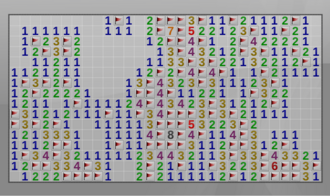

"Bad actors that target large brands will try to reverse engineer what security is present. Client-side security suffers especially badly from this if the detections are solely done client-side. The result is simple: it's like playing minesweeper with the bombs exposed. Client-side security can not solely rely on client-side monitoring."
- Simon Wijckmans, CEO, cside
How cside goes further
The cside team has substantial experience in client-side security. Throughout our experiences we identified that bad actors are operating at a level of sophistication that takes the upper hand over some security approaches. If the reward is high, any gap in a security detection model is an opportunity for a bad actor.
Given browsers specification limitations for client-side security, we've had to get creative which is why we approached client-side security in a unique way.
- Script Method - Easiest: We check script behaviors in the browser and download the scripts for analysis on cside's infrastructure. We then verify script integrity. Just one script to add to the site, it takes seconds.
- Scan Method - Fastest: If you can't add a script to the site, cside will scan it. We will use the cside threat intel gathered by thousands of other websites with combined billions of visitors to help secure your site the best you can.
The mix of the above brings us closest to full coverage technically possible today.
cside does not sit in front of your traffic, so third-party scripts keep loading directly from their own origins; the only thing added to the page is one small first-party script tag.
With this cside helps companies achieve compliance, whether its security or privacy focussed.
cside actively contributes to the W3C in the hopes of creating attention to client-side security. Aiming to make adjustments to the browser specification to allow for fully bulletproof client-side security.
cside integrates natively with Linear and Jira, so security findings flow directly into your development team's existing ticketing workflows. This means faster response times and no manual ticket creation for script security issues. While Jscrambler offers Jira integration, it does not support Linear.
At cside, we capture attacks. If you are reading this blogpost, you are likely a sufficiently high value target for a bad actor to invest some level of mental capacity to inspect how your web security works. It is better to be safe and assume a bad actor will attempt to bypass security solutions you use. So use solutions that think a step ahead.
cside also publishes a public status page at status.cside.com, a public trust portal at trust.cside.com, and a 99.9% uptime SLA, so you can verify our reliability and incident history for yourself. Jscrambler's status page at status.jscrambler.com is password-gated, with no publicly accessible uptime or incident history and no published uptime SLA.
Try cside before you buy. cside has a free plan, so you can sign up, deploy, and explore the platform yourself, with no sales calls or procurement process. And our support team is one message away whenever you need a hand.
Sign up or book a demo to get started.
Why teams pick cside over Jscrambler
For client-side security and PCI DSS 4.0.1 requirements 6.4.3 and 11.6.1, cside is the compliance-first option. Jscrambler pairs JavaScript obfuscation with a webpage-integrity layer that relies on periodic scanning and in-browser traps, and it publishes no pricing or free tier. cside was built for client-side security from day one: 100% session coverage with no sampling, every script downloaded for server-side analysis, and the raw attack payload archived for QSA review, with transparent pricing from $99/month and a free tier. In the 2026 Globee Cybersecurity Awards for Client-Side Security, cside took Gold (Best of Category) and Jscrambler took Silver. Choose cside if you want a security and compliance-first platform where pricing is public and full coverage is standard.
Weighing up the wider market rather than just these two? We keep a survey of Jscrambler alternatives that covers seven options and says plainly where something other than cside fits better.
Related resources

Founder and CEO of cside. Previously a product manager on Cloudflare Page Shield (now Cloudflare Client-Side Security). Co-chair of the W3C Anti-Fraud Community Group and a Forbes 30 Under 30 honoree. Building accessible security against client-side attacks, web security is not an enterprise-only problem.